Nevertheless, individuals who worked out for over 3 hours actually had even worse psychological health than those who did not exercise at all." Previously, individuals have believed that the more workout you do, the better your mental health, but our study recommends that this is not the case," states Dr. Chekroud. However, "Doing exercise more than 23 times a month, or working out for longer than 90 minute sessions is connected with worse mental health," he adds.
2 new research studies show how workout can help kids combat anxiety along with behavioral conditions. how nutrition affects mental health pubmed. A physically active kid is a healthy child. Exercise reinforces a kid's muscles and bones, avoids extreme weight gain, and reduces the danger of diabetes, cancer, and other conditions. Nevertheless, physical activity is likewise useful to the mental health of a kid.
Both analyzed the favorable effects of exercise on children's psychological well-being.One study concluded that moderate to energetic physical activity at ages 6 and 8 is linked to fewer symptoms of anxiety two years later. The other study concluded that cybercycling enhances classroom functioning for kids with behavioral conditions. Cybercycling includes riding a fixed bike while looking at virtual truth landscapes.
would not have these results. But getting kids to Mental Health Facility participate in it if they do not enjoy it is extremely difficult," April Bowling, assistant teacher at Merrimack College, discussed to Healthline. Much of these children have sensory disorders, social stress and anxiety, and delays in establishing motor abilities, so it's tough to make traditional sports and workout programs appealing to them." The cybercycling appealed to them due to the fact that they could take part in it successfully at their present capability level, and they found the computer game and virtual reality courses amusing.
Research study shows workout enhances state of mind and behavior in children and decreases chronic illness threats, however there is little research on instructional settings serving children with complex BHD, the study explained. By using a randomized controlled crossover design, scientists investigated whether an aerobic cybercycling athletics curriculum could successfully engage and improve behavioral regulation and class functioning amongst kids and adolescents with intricate BHD.Students diagnosed with autism, attention deficit disorder (ADHD), anxiety, or state of mind disorders were randomly designated to use the bikes two times a week throughout 30- to 40-minute physical education classes.
Saunders was particularly thinking about the cybercycling study as the visual stimulation acts as a fantastic motivation to workout. "I think the cybercycling study was wonderful. The children in the research study were visually promoted in a special method that encouraged them to work out," Saunders told Healthline. "It was something that was satisfying to them, which was a nice reward at Drug Rehab Facility school.
The Ultimate Guide To How Nutrition Drug Rehab Center Affects Mental Health Pubmed
" Secondly, aerobic exercise can alter brain chemistry, and specifically the levels of specific neurotransmitters that may assist enhance a person's self-regulation. When state of mind and self-regulation the capability to control habits is improved, then children can operate much better in the classroom." Bowling thinks there is a great deal of pledge for cybercycling to be used in more settings.
Bowling stressed the research study contributes to installing proof that kids with behavioral health difficulties take advantage of workout not simply physically, however mentally." I believe it's absolutely crucial that we stop cutting out movement from the school day taking some time away from recess and physical education for more academic functions if we desire our children to perform to their prospective," stated Bowling.
In addition, increasing physical activity may act as a complementary method in treating childhood anxiety." Physical activity has a variety of health advantages, and this research study indicates that increasing children's moderate and vigorous physical activity may avoid later depressive symptoms," said Zahl in a declaration. "Hence, increased physical activity may function as an adjunct part to pharmacological or psychological treatments.
Dr. Christina Hibbert, scientific psychologist, and author of "8 Keys to Mental Health Through Exercise," believes in exercise as a means of therapy. Exercise has actually assisted her overcome depression and stress and anxiety. "Personally, I have actually utilized cardiovascular exercise to assist me overcome struggles with depression, and strength training/flexibility workouts have actually assisted me get rid of anxiety," Hibbert informed Healthline.
" Exercise is one of the best things we can do to ease the results of the majority of psychological health conditions, including bipolar illness and schizophrenia," Hibbert said. "Though adherence to an exercise program may be more challenging for those experiencing psychological health conditions, if they can discover the mental skills to stay motivated and stick with it, regular exercise can be one of the most powerful additions to treatment," she added.
" When we move our body, we move our mind. That may suggest moving excess psychological energy that would otherwise lead to behavioral issues and interruption, or it may suggest moving us out of a state of feeling depressed. Workout not just provides the healthy calm energy we need for ideal behavior, it also enables us to work out difficult, distressed energy that may interfere with everyday life," she stated.
The Main Principles Of How The Environment Affects Mental Health News
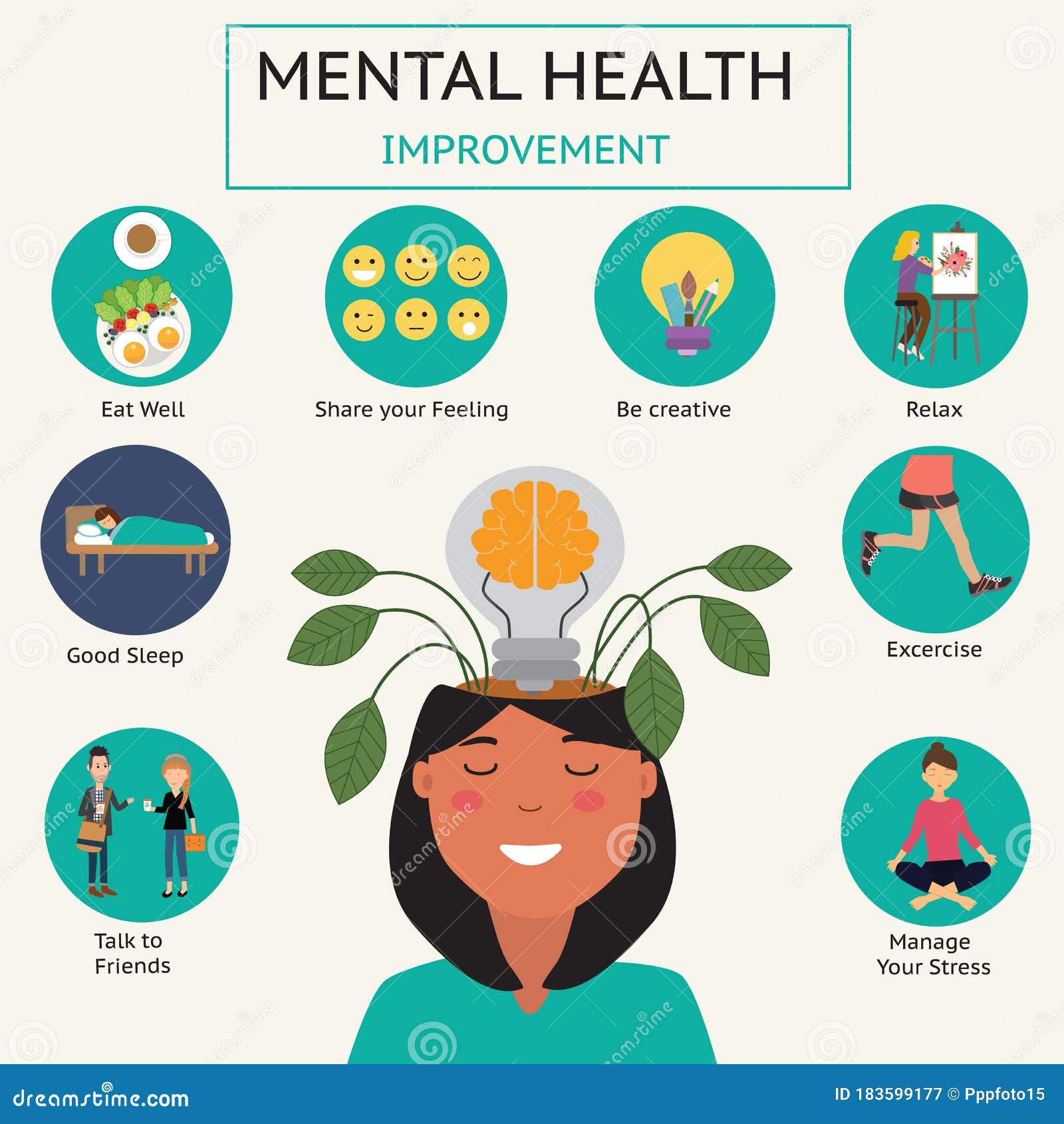

Both Hibbert and Saunders concur that the more youthful we begin exercising the better off we'll be later on in life, and it's never ever too late to start. They also advise parents to take part in their children's exercise." Adults that deal with children play an important function in the development and development of kids.
" Play, ride bikes, get on the trampoline together with your kid whatever you can do to get your children and you moving, and make it enjoyable, is going to be perfect. This reveals children that moving is enjoyable, it makes them feel good, and it likewise enhances our household bonds.".
There was a clear association between more frequent physical activity and lower levels of depression and anxiety, but the most significant difference was in between the least active group (active for 60 minutes or more on no to 3 of the previous 14 days) and the rather active group (4 to 7 of the past 14 days).
The research study also found that being on a sports team was associated with an additional enhancement in mental health, beyond what was connected with the exercise and it was particularly strong for women. There were striking distinctions amongst the 10 nations. In Slovenia, 66.9 percent of the young boys and 49.7 percent of the girls remained in the most active group; in Italy it was only 27.8 percent of the young boys and 9.6 percent of the ladies." What's going so right in some countries in terms of keeping women active through adolescence?" Dr.
" Is it about using a larger range of activities, or school schedule, or a culture of outside activity?" The range of activities available matters, she stated, therefore does building sports into the curriculum and making sure there is leisure time in a teen's week, and encouraging them to stroll or bike to school.
" When you take a look at populations with psychological health problems, they normally have low physical activity or exercise," Dr. Zhu stated. In adults, those populations also generally have high levels of weight problems and cardiovascular health issues, he stated. However current prospective studies, including this new one taking a look at teenagers, develop on what we currently understand to suggest that there is a strong relationship in the other instructions: Regular exercise lowers your danger of establishing depression.